Home > News Center >
The Best Commercial Hubs in the United Arab Emirates
Talula Atkinson
Imagine this: You're an entrepreneur eyeing the Middle East for your next big move, and suddenly, the UAE's GDP growth hits a projected 4.2% in 2025, according to the IMF's latest forecasts. That's not just a number—it's a signal of resilience amid global uncertainties, driven by diversification beyond oil into tech, tourism, and renewable energy. As someone who's helped set up over a dozen companies in the region, I've seen firsthand how this momentum creates ripe opportunities for savvy business owners. The United Arab Emirates isn't just a desert oasis; it's a powerhouse of commercial hubs that blend cutting-edge infrastructure with investor-friendly policies. If you're searching for the best commercial hubs in the United Arab Emirates, you're in the right place. This guide dives deep into the top locations, analyzing their strengths, challenges, and why 2025 could be your launchpad.
Why does 2025 stand out strategically? For starters, the UAE's National Agenda for 2021-2031 is accelerating, with 2025 marking a pivotal midpoint where initiatives like the Golden Visa expansions and free zone incentives hit full stride. Post-Expo 2020, the country has invested billions in smart cities and AI-driven economies, making it a magnet for foreign direct investment (FDI). World Bank data shows FDI inflows surged to $20.7 billion in 2023, and projections for 2025 suggest even higher figures as global supply chains shift toward stable, innovative hubs. Culturally, the UAE's blend of tradition and modernity fosters a business environment where expats thrive—over 80% of the population are foreigners, bringing diverse talents. But it's not all smooth sailing; navigating visa reforms, local sponsorship rules, and sector-specific regulations requires practical know-how.
In my experience advising clients from Europe to Asia, the key to success here lies in choosing the right hub. Dubai's glitz might dazzle, but Abu Dhabi's stability could better suit long-term plays. We'll break down the best options based on factors like ease of doing business (UAE ranks 16th globally per the 2020 Ease of Doing Business index, though updates reflect ongoing improvements), cost structures, and growth sectors. Expect insights on setup costs—averaging AED 20,000-50,000 for mainland registrations—to market entry risks like competition in saturated sectors. By the end, you'll have a clear roadmap, whether you're in e-commerce, logistics, or fintech. Let's explore why these hubs are transforming ambitions into thriving enterprises.
Dubai: The Global Gateway for Ambitious Ventures
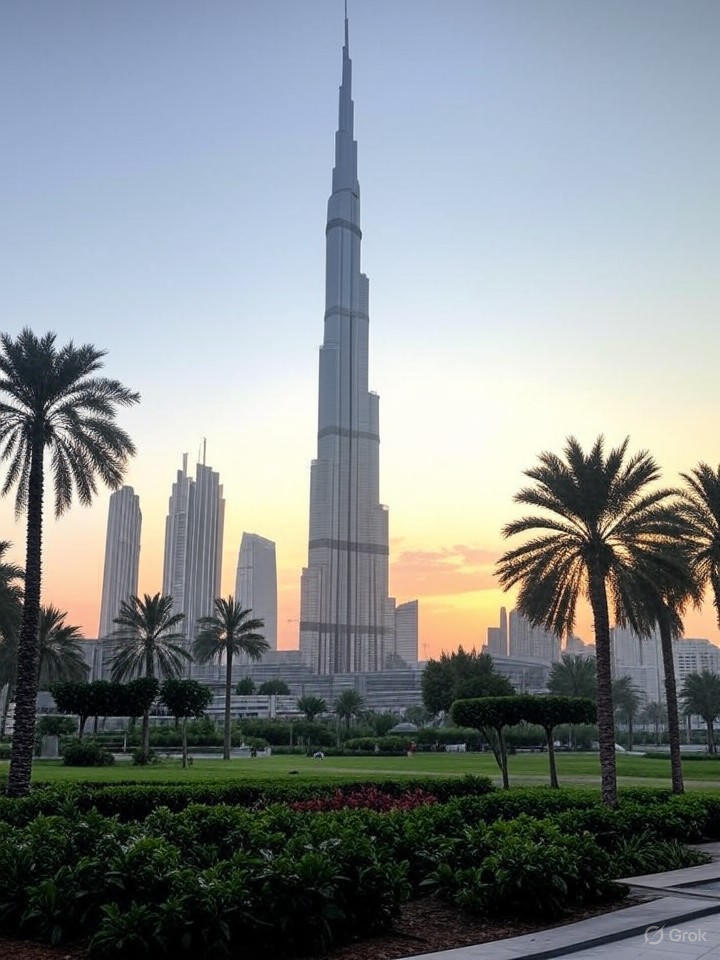
No discussion of the best commercial hubs in the United Arab Emirates starts without Dubai. This emirate isn't just a city; it's a synonym for opportunity, handling over 60% of the UAE's non-oil trade. In 2025, with the Dubai Economic Agenda (D33) aiming to double the economy to AED 3 trillion, it's poised for explosive growth in digital and creative industries.
From my advisory work, I've guided tech startups through Dubai's free zones like Dubai Internet City (DIC) and Dubai Media City. These areas offer 100% foreign ownership, zero corporate tax on profits for up to 50 years, and streamlined visa processes. Picture this: You register your company in DIC for around AED 15,000 annually, gaining access to a ecosystem buzzing with giants like Microsoft and Oracle. The hub's plug-and-play offices, high-speed connectivity, and proximity to Dubai International Airport make it ideal for logistics and IT firms. Recent trends show a 15% uptick in AI and blockchain registrations, fueled by government grants up to AED 100,000 for innovators.
But let's talk practicalities. Mainland Dubai requires a local sponsor for certain activities, holding 51% nominal ownership—though service-level agreements can mitigate control issues. Costs? Expect AED 30,000-60,000 for initial setup, including trade licenses and office leases starting at AED 100 per square meter in prime areas like Business Bay. Risks include high competition and living costs; a mid-level expat salary hovers at AED 15,000 monthly. Culturally, Dubai's cosmopolitan vibe eases integration, but Ramadan slowdowns demand scheduling savvy.
I've seen clients thrive by leveraging events like GITEX Global, which in 2024 drew 170,000 attendees. For 2025, focus on emerging sectors like sustainable tech—Dubai's Green Agenda 2030 offers incentives for eco-friendly businesses. If your venture involves international trade, Jebel Ali Free Zone (JAFZA) is unbeatable, with its port handling 13.5 million TEUs annually. In short, Dubai delivers speed and scale, but success hinges on niche positioning.
Abu Dhabi: Stability Meets Strategic Depth
Shift your gaze to Abu Dhabi, the UAE's capital and a hub that's all about long-game strategies. Holding 90% of the nation's oil reserves, it's diversifying aggressively through the Abu Dhabi Economic Vision 2030, targeting non-oil GDP at 64% by 2025. IMF projections peg its growth at 3.5% that year, underpinned by sovereign wealth funds like Mubadala investing $100 billion in global tech.
As an advisor, I've recommended Abu Dhabi to clients seeking stability over Dubai's frenzy. Hubs like Masdar City stand out for clean energy and R&D, offering zero-tax environments and grants for green tech. Setup here? Free zone registrations cost AED 10,000-25,000, with full repatriation of profits. The Abu Dhabi Global Market (ADGM) is a financial powerhouse, akin to London's Canary Wharf, with English common law and fintech sandboxes attracting firms like HSBC.
Practical edges include lower operational costs—office spaces at AED 80 per square meter in Al Maryah Island—and a family-friendly lifestyle with top schools. However, mainland operations need UAE national partnerships, and bureaucracy can extend timelines to 4-6 weeks. Risks? Oil price volatility, though mitigated by diversification. Culturally, Abu Dhabi's conservative lean requires respect for traditions, like modest dress in meetings.
In practice, I've witnessed manufacturing firms flourish in Khalifa Industrial Zone (KIZAD), with its logistics links to Khalifa Port. For 2025, watch healthcare and biotech incentives, as the emirate pours AED 50 billion into life sciences. If your business values depth and partnerships, Abu Dhabi is your anchor.
Sharjah: Cost-Effective Innovation Hub
Often overlooked, Sharjah emerges as one of the best commercial hubs in the United Arab Emirates for budget-conscious entrepreneurs. Its economy grew 4.8% in 2023, per local stats, with 2025 forecasts at 5% thanks to the Sharjah Entrepreneurship Center's push for SMEs.
I've advised on setups in Sharjah Airport International Free Zone (SAIF Zone), where costs dip to AED 8,000 for basic registrations. Benefits include 100% ownership, no customs duties, and quick visas—often processed in days. It's perfect for light manufacturing and e-commerce, with warehouses at AED 30 per square meter.
Mainland Sharjah offers cultural depth, requiring local sponsors but with lower rents than Dubai. Risks involve traffic congestion to major ports, though improving infrastructure helps. Culturally, its UNESCO Creative City status fosters arts and media ventures.
Trends for 2025 highlight education and publishing, with incentives like tax holidays. Sharjah balances affordability and access, ideal for scaling without breaking the bank.
Ras Al Khaimah: Emerging Powerhouse for Niche Industries
Ras Al Khaimah (RAK) is the UAE's northern gem, with GDP growth projected at 4% in 2025 via its Economic Vision 2030. RAK Free Trade Zone offers setups from AED 7,000, targeting tourism and metals.
From experience, it's great for heavy industry, with Al Hamra Industrial Zone's low costs and sea access. Cultural factors emphasize community ties, aiding local networking.
For 2025, mining and hospitality incentives shine. RAK suits specialized, cost-sensitive operations.
Ajman and Umm Al Quwain: Compact Yet Capable
Ajman Free Zone, with setups at AED 5,000, focuses on trading. Umm Al Quwain offers marine and agriculture niches. Both provide affordability for startups, with 2025 growth tied to SME support.
Fujairah: Logistics and Energy Frontier
Fujairah's oil bunkering and free zones like Fujairah Creative City cater to energy sectors, with costs around AED 10,000.
Conclusion: Choosing Your UAE Commercial Hub in 2025
Weighing these hubs, Dubai leads for visibility, Abu Dhabi for stability, and others for niches. Factor your industry, budget, and risk tolerance—2025's reforms make now prime time. With UAE's FDI-friendly climate, your venture could soar.
If you're excited to turn one of these ideas into your next venture, B2B Hub can guide you through seamless company formation in United Arab Emirates. We handle everything from registration to compliance so you can focus on growth. Reach out today: email [reg@b2bhub.ltd](mailto:reg@b2bhub.ltd), website [b2bhub.ltd](https://b2bhub.ltd), WhatsApp +44 7700183957, or Telegram @b2bhub_execution.
The Best Commercial Hubs in the United Arab Emirates