Home > News Center >
Best Businesses to Start in Turkey
Talula Atkinson
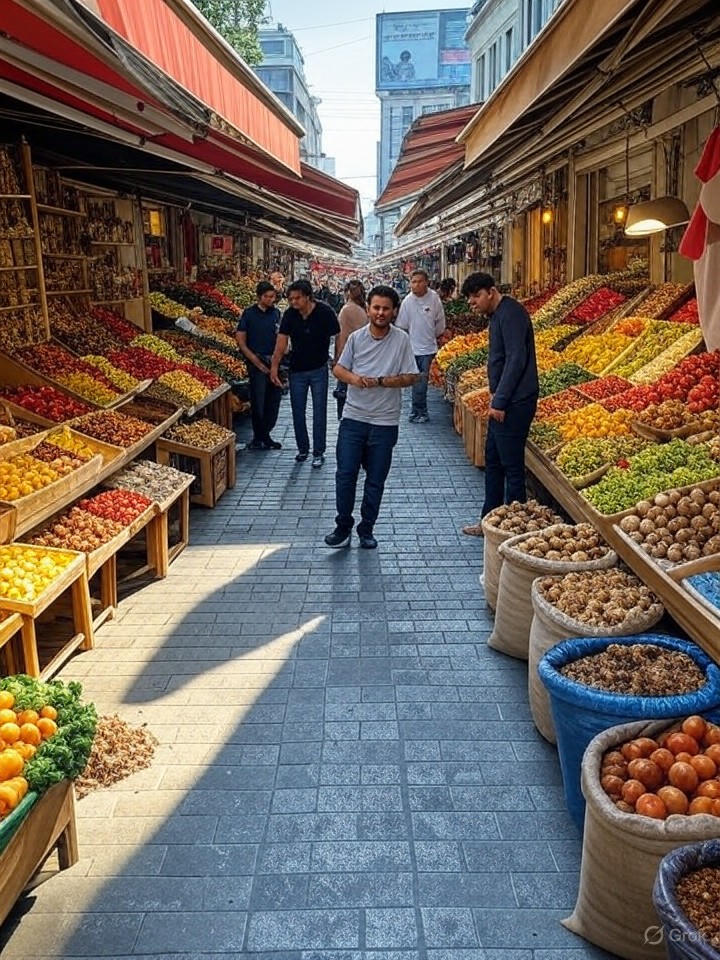
Imagine this: You're strolling through Istanbul's bustling Grand Bazaar, where the air buzzes with haggling merchants, the scent of spices, and the hum of tourists snapping photos. It's not just a market; it's a microcosm of Turkey's economy—vibrant, resilient, and ripe with opportunity. In 2024, Turkey's GDP growth hit around 4.5% according to the World Bank, outpacing many European neighbors despite global headwinds like inflation and geopolitical tensions. Fast-forward to 2025, and the landscape looks even more promising. With the government's push for digital transformation under the Eleventh Development Plan, easing foreign investment regulations, and a young, tech-savvy population of over 85 million, starting a business here isn't just viable—it's strategic. Inflation is projected to stabilize around 15-20% by mid-2025 per IMF forecasts, creating a window for entrepreneurs to capitalize on recovering consumer spending and export markets.
As an international business advisor who's helped set up over a dozen ventures in Turkey, from e-commerce platforms in Ankara to tourism startups in Antalya, I've seen firsthand how the "best businesses to start in Turkey" align with the country's unique strengths. Think strategic location bridging Europe and Asia, a booming tourism sector that welcomed 50 million visitors in 2023, and incentives like the Turquality program supporting exporters. But why 2025 specifically? The EU-Turkey Customs Union is evolving, with talks of modernization that could slash trade barriers further. Add in the lira's stabilization efforts and a government aiming for 5% GDP growth, and you're looking at a sweet spot for market entry. Whether you're a local entrepreneur or an expat eyeing Istanbul's startup ecosystem—home to hubs like Kolektif House—2025 offers lower barriers to entry thanks to streamlined company registration via the e-Devlet portal, which can get you operational in weeks.
In this guide, we'll dive into the best businesses to start in Turkey, focusing on sectors poised for growth. I'll break down practical insights based on real-world trends, regulatory nuances, and economic data. Expect no fluff—just actionable analysis on opportunities in tech, tourism, agriculture, manufacturing, and more. We'll cover startup costs, potential risks, cultural factors like the importance of building "güven" (trust) in business relationships, and how to navigate bureaucracy. By the end, you'll have a clear roadmap, whether you're bootstrapping a small operation or scaling with foreign capital. Remember, Turkey ranks 33rd in the World Bank's Ease of Doing Business index for 2023, a leap from previous years, thanks to reforms in getting credit and enforcing contracts. But success here demands adaptability—I've advised clients who've pivoted from import challenges to local sourcing, turning obstacles into advantages. Let's explore why 2025 could be your launchpad.
Thriving in Tech: Software Development and App Services
Turkey's tech scene is exploding, with Istanbul emerging as a Silicon Valley of the East. In 2024, the sector grew by 20%, fueled by over 5,000 startups and investments topping $1 billion, per StartupBlink data. If you're tech-inclined, starting a software development firm or app service business is one of the best bets. Why? Demand surges from local SMEs digitizing operations amid e-commerce booms—online sales hit $50 billion in 2023, per Statista.
Practically speaking, I've guided entrepreneurs through incorporating as a Limited Liability Company (LLC) in Turkey, which requires a minimum capital of 50,000 TRY (about $1,500 USD as of late 2024). Costs? Expect 20,000-50,000 TRY for setup, including notary fees and chamber registration. Target niches like fintech apps for Turkey's unbanked population or AI tools for logistics, given the country's role as a trade hub. Risks include currency fluctuations, but hedging via dollar-denominated contracts mitigates this. Culturally, emphasize networking at events like Web Summit Istanbul—I've seen deals close over çay (tea) chats. Projected ROI? A well-run app service can net 30-50% margins within two years, especially with government grants from KOSGEB for tech innovators.
Tourism Ventures: Boutique Hotels and Experience Tours
Tourism is Turkey's golden goose, contributing 12% to GDP and rebounding strong post-pandemic. By 2025, visitor numbers could exceed 60 million, driven by campaigns like GoTürkiye and eased visa policies for 90+ nationalities. Starting a boutique hotel or experiential tour company taps into this, particularly in underserved areas like Cappadocia or the Aegean coast.
From experience, zoning laws vary—coastal permits need environmental nods from the Ministry of Environment—but incentives like VAT exemptions for tourism investments sweeten the deal. Startup costs range from 500,000 TRY for a small tour operation to millions for a hotel, but low-interest loans from Halkbank are accessible. Focus on unique angles: eco-tours highlighting Turkey's biodiversity or cultural immersions in Ottoman history. Risks? Seasonal dips, but diversifying with year-round wellness retreats counters this. In practice, I've advised on partnerships with local guides to build authenticity, boosting repeat business. With average hotel occupancy at 70% in peak seasons, profits can hit 40% after the first year.
Agriculture and Food Processing: Organic Exports
Turkey's fertile lands produce 10% of the world's hazelnuts and cherries, with agriculture employing 18% of the workforce. By 2025, EU-aligned organic standards and subsidies from the Ministry of Agriculture position this sector for export growth—agri-exports reached $25 billion in 2023.
Launching an organic food processing business, like olive oil or dried fruit packaging, is ideal. Regulations require IPARD grants for rural development, covering up to 65% of costs. Initial outlay? 100,000-300,000 TRY for equipment and certification. I've seen clients leverage free-trade zones in Mersin for logistics, cutting export times. Cultural note: Family-run farms dominate, so joint ventures build trust. Risks include climate variability, but insurance and tech like drip irrigation help. Margins? 25-35%, with demand from health-conscious European markets.
Manufacturing: Textiles and Apparel
Textiles remain a powerhouse, with Turkey as the EU's second-largest supplier, exporting $30 billion annually. 2025 trends point to sustainable fashion amid global ESG pushes, supported by government R&D incentives.
Set up a small apparel manufacturing unit in hubs like Bursa. LLC formation is straightforward, with costs around 30,000 TRY. Equipment investment: 200,000-500,000 TRY, offset by tax breaks in Organized Industrial Zones. From my advisory work, sourcing local cotton reduces costs, and BSCI certifications open doors to brands like H&M. Risks? Labor laws mandate minimum wages (around 17,000 TRY monthly in 2024), but skilled workers are plentiful. Aim for custom lines like eco-friendly denim—I've witnessed startups scale to $1M revenue in 18 months through e-platforms like Trendyol.
E-Commerce and Logistics: Online Marketplaces
E-commerce is skyrocketing, with platforms like Hepsiburada serving 50 million users. By 2025, the market could reach $100 billion, per eMarketer, boosted by digital payment integrations and cross-border trade.
Starting an online marketplace or logistics firm aligns perfectly. Register via the Trade Registry, with startup fees under 10,000 TRY. Focus on niches like halal products or regional specialties. I've helped integrate with global giants like Amazon Turkey, navigating VAT at 18%. Risks: Competition is fierce, but data analytics tools give an edge. Profits? 15-25% margins, with logistics firms benefiting from Turkey's 4,000 km of highways.
Renewable Energy: Solar Panel Installation
With Turkey aiming for 20 GW solar capacity by 2030 under the National Energy Plan, renewables are hot. Incentives include feed-in tariffs and YEKA auctions.
A solar installation business requires engineering licenses, costing 50,000-100,000 TRY to start. Target residential and commercial in sunny regions like Antalya. From experience, partnerships with EPDK streamline approvals. Risks: Grid integration delays, but government support minimizes them. ROI? Quick, with projects paying back in 3-5 years.
Health and Wellness: Spa and Fitness Centers
Post-COVID, wellness booms, with Turkey's thermal spas drawing medical tourists. The sector grew 15% in 2023.
Open a modern spa in Istanbul or Izmir—costs 300,000 TRY, with health ministry certifications. I've seen ventures thrive by blending Turkish hammam traditions with yoga. Margins: 30%, despite seasonal tourism ties.
Education Tech: Online Language Platforms
Turkey's 25 million students fuel edtech demand, with digital education investments rising.
Launch an app for Turkish-English learning—startup under 20,000 TRY. Use Tubitak grants for innovation. Risks: Content regulations, but global appeal ensures growth.
Challenges and Strategic Tips for Success
Navigating Turkey's business landscape isn't without hurdles. Inflation, while cooling, demands pricing strategies—I've recommended index-linked contracts. Bureaucracy can slow things, but e-Government portals cut red tape. Culturally, hierarchy matters; build relationships patiently. Risk mitigation includes diversifying suppliers amid geopolitical tensions with neighbors.
For success, conduct market research via TOBB chambers. Secure funding through angel networks like Galata Business Angels. In my experience, adapting to local customs—like Ramadan scheduling—boosts retention. 2025's economic stabilization makes now the time to act.
In conclusion, the best businesses to start in Turkey in 2025 leverage its crossroads position, youthful demographics, and policy incentives. From tech to tourism, opportunities abound for those ready to dive in with practical planning.
If you're excited to turn one of these ideas into your next venture, B2B Hub can guide you through seamless company formation in Turkey. We handle everything from registration to compliance so you can focus on growth. Reach out today: email [reg@b2bhub.ltd](mailto:reg@b2bhub.ltd), website [b2bhub.ltd](https://b2bhub.ltd), WhatsApp [+44 7700183957](https://wa.me/447700183957), or Telegram [@b2bhub_execution](https://t.me/b2bhub_execution).
Best Businesses to Start in Turkey