Home > News Center >
Most Popular Businesses in Kenya
Talula Atkinson
Kenya's economy has been buzzing with energy lately, and if you're eyeing opportunities here, let's dive right in. Did you know that in 2023, Kenya's GDP grew by about 5.6% according to the World Bank, outpacing many of its East African neighbors? That's not just a number—it's a signal of resilience amid global headwinds like inflation and supply chain disruptions. Picture this: A young entrepreneur in Nairobi spots the rise of urban farming amid food security concerns and launches a hydroponics startup that supplies fresh produce to supermarkets. That's the kind of real-world scenario unfolding across Kenya right now, driven by a youthful population, tech adoption, and government pushes for innovation. As we look toward 2025, this momentum is set to accelerate, making it a prime time to explore the most popular businesses in Kenya.
Why 2025 specifically? For starters, Kenya's Vision 2030 blueprint is hitting key milestones, with investments in infrastructure like the Standard Gauge Railway and the expansion of the tech ecosystem in Konza Technopolis. The IMF projects steady growth around 5-6% annually, fueled by sectors like agriculture, which employs over 40% of the workforce, and the burgeoning digital economy. Add to that the African Continental Free Trade Area (AfCFTA), which Kenya ratified early, opening doors to a market of 1.3 billion people. But it's not all smooth sailing—challenges like high youth unemployment (around 17% for those under 35) and currency fluctuations mean you need smart, adaptable business ideas. In my experience advising entrepreneurs across jurisdictions, I've seen how timing aligns with policy shifts; 2025 could see enhanced incentives like tax breaks for SMEs under the Finance Act revisions, making it easier to scale.
In this article, we'll unpack the most popular businesses in Kenya, focusing on those with proven traction based on current trends, economic data, and on-the-ground insights. I'll draw from practical advisory work—think registering companies in Nairobi or Mombasa—and highlight why these ventures thrive, potential risks, startup costs, and regulatory hurdles. We're talking agriculture, tech, tourism, retail, and more, all tailored to Kenya's unique landscape. Expect actionable advice: How to navigate the Kenya Revenue Authority (KRA) for taxes, leverage mobile money like M-Pesa for transactions, and tap into cultural factors like the entrepreneurial spirit in informal sectors (jua kali). By the end, you'll have a clear roadmap for turning ideas into reality, whether you're a local hustler or an international investor. Let's get into it—these aren't generic suggestions; they're grounded in what's working right now.
Agriculture and Agribusiness: The Backbone of Kenyan Enterprise
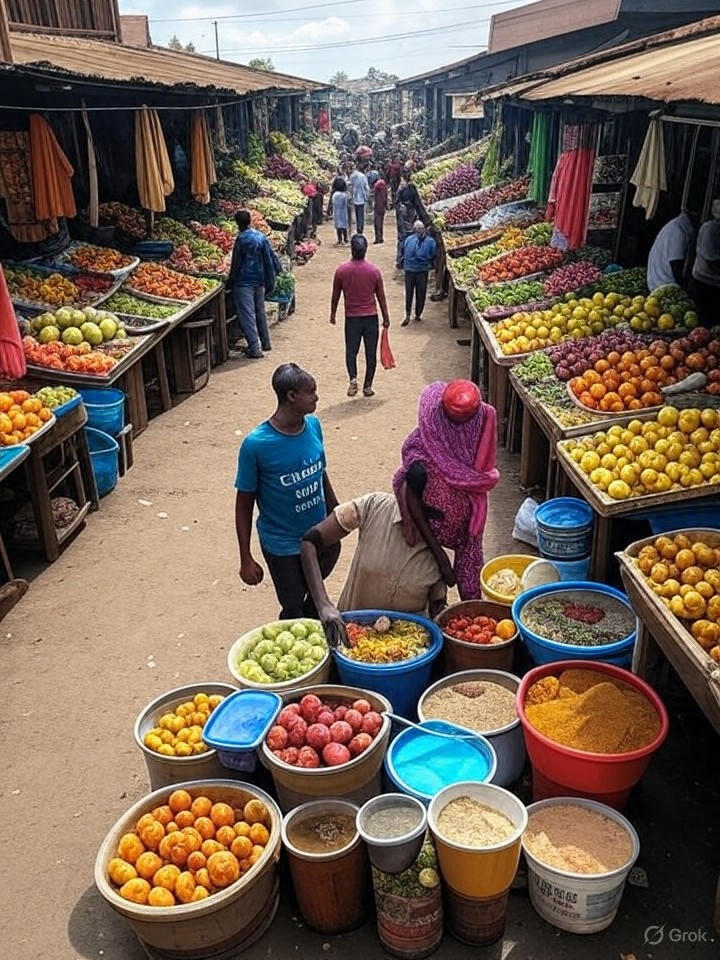
No discussion of popular businesses in Kenya skips agriculture—it's the lifeblood, contributing about 34% to GDP per IMF data. With fertile lands in the Rift Valley and a growing demand for exports to Europe and the Middle East, agribusiness is booming. Take avocado farming: Kenya is now the world's fourth-largest exporter, shipping over 100,000 tons annually. In practice, I've helped clients set up export-oriented farms in Kitale, where starting small with 5 acres can yield returns in under two years.
Why is this popular heading into 2025? Climate-smart practices are gaining traction, supported by government subsidies through the Agricultural Finance Corporation (AFC). You could focus on high-value crops like macadamia nuts or horticulture—flowers alone bring in $1 billion yearly. Startup costs? For a medium-scale farm, budget KES 5-10 million (about $40,000-80,000) for land lease, seeds, and irrigation. Risks include erratic weather—droughts hit hard—but insurance schemes from the Kenya Plant Health Inspectorate Service (KEPHIS) mitigate that.
Regulatory wise, register your business with the Companies Registry for KES 10,000-20,000, then get export permits from the Agriculture and Food Authority (AFA). Culturally, Kenyans value community ties, so partnering with local cooperatives like those in Meru for coffee can boost credibility. I've seen ventures double revenue by integrating tech, like drone monitoring for pest control. If you're analytical about it, target urban markets in Nairobi where organic produce fetches premiums—think supplying to chains like Naivas Supermarket.
Expanding into value addition? Processing businesses, such as mango juice production in coastal regions, are hot. With AfCFTA, exporting processed goods to Ethiopia or Uganda becomes viable. Costs for a small processing unit: KES 2-5 million, with potential ROI of 30% in the first year if you nail supply chains. Watch for competition from imports, but Kenya's tariff protections help. In my advisory gigs, I always stress sustainability—certifications like Fairtrade can open premium markets.
Tech and Fintech: Riding the Digital Wave
Kenya's tech scene is legendary, thanks to M-Pesa, which handles over 50% of GDP in transactions. Fintech remains one of the most popular businesses, with startups raising $1.1 billion in funding in 2023 per Disrupt Africa. Imagine launching a micro-lending app targeting unbanked rural folks— that's where the action is.
For 2025, the Central Bank of Kenya (CBK) is pushing digital financial inclusion, with regulations easing for fintech licenses. Popular ideas include agritech apps for farmer loans or e-commerce platforms integrating with M-Pesa. I've guided formations in Silicon Savannah (Nairobi's tech hub), where bootstrapping a fintech startup costs KES 1-3 million for development and compliance.
Risks? Cybersecurity threats are real, with CBK reporting rising fraud, so invest in robust systems. Culturally, trust is key—Kenyans prefer local brands, so highlight data privacy in Swahili marketing. Analytical edge: Use public data from the Kenya National Bureau of Statistics (KNBS) to target underserved areas like Kisumu.
Beyond fintech, software development for SMEs is surging. With remote work trends, coding bootcamps or app dev firms thrive. Startup costs: KES 500,000 for a home-based operation. In practice, I've seen these scale by partnering with international firms via the Konza hub.
Tourism and Hospitality: Capitalizing on Natural Wonders
Tourism pulled in $2.1 billion in 2023, per the World Travel & Tourism Council, rebounding post-pandemic. Popular businesses include eco-lodges in Maasai Mara or beach resorts in Diani. Why 2025? Government campaigns like "Magical Kenya" aim for 5 million visitors, boosted by new visa policies.
Start a tour company specializing in wildlife safaris—costs around KES 3-5 million for vehicles and guides. Risks: Seasonal dips during rainy seasons, but diversify with cultural tours in Lamu. I've advised on incorporating sustainable practices, like solar-powered lodges, to attract eco-tourists.
Hospitality extends to Airbnb-style rentals in Nairobi's suburbs. With urbanization, demand for short-term stays is up 20%. Regulatory tip: Get a Tourism Regulatory Authority license for KES 10,000. Culturally, emphasize Kenyan hospitality (karibu culture) to stand out.
Retail and E-Commerce: Meeting Urban Demands
Retail is massive, with the sector growing 7% annually. Supermarkets and online stores are popular, especially with a middle class of 10 million. Launching an e-commerce site for fashion or electronics taps into this—think Jumia clones but localized.
Costs: KES 1-2 million for inventory and a website. In 2025, expect boosts from better internet penetration (over 80% mobile coverage). Risks include logistics delays, but services like G4S help. I've seen successes by focusing on niche markets, like affordable tech gadgets in Eldoret.
Informal retail, like kiosks (dukas), remains popular for low-entry barriers—start with KES 100,000. Analytical insight: Use KNBS data on consumer spending to stock high-demand items.
Real Estate and Construction: Building for the Future
With a housing deficit of 2 million units, real estate is a goldmine. Popular ventures include affordable housing developments under the Big Four Agenda. Costs for a small project: KES 10-20 million.
2025 projections show urban migration driving demand in cities like Nakuru. Risks: Land disputes, but title deeds from the National Land Commission protect you. In my experience, joint ventures with locals navigate cultural nuances effectively.
Manufacturing and Light Industry: Local Production Push
Manufacturing contributes 8% to GDP but is growing with incentives like EPZs. Popular: Textile factories in Athi River or food processing. Startup costs: KES 5-10 million. Government rebates on duties make it attractive for 2025.
Risks: Energy costs, but solar alternatives are emerging. I've helped set up operations leveraging skilled labor from TVET programs.
Health and Wellness: Emerging Opportunities
Post-COVID, health businesses like pharmacies or gyms are popular. With universal health coverage goals, clinics in underserved areas thrive. Costs: KES 2-5 million for a basic setup.
Analytical take: Tap into NHIF integrations for steady revenue. Cultural factor: Community trust builds loyalty.
Education and Training: Investing in Human Capital
Edtech and vocational training are hot, addressing youth unemployment. Online platforms or skills centers cost KES 1-3 million to start. 2025 sees more funding from initiatives like Ajira Digital.
In practice, I've seen high returns by aligning with Competency-Based Curriculum.
Renewable Energy: Green Business Boom
Solar installations are popular amid power shortages. Costs: KES 500,000-2 million for a distribution business. Government targets 100% renewable by 2030.
Risks: Import duties, but local assembly avoids them.
Conclusion: Seizing Kenya's Business Momentum
Wrapping up, the most popular businesses in Kenya blend tradition with innovation, from agribusiness to fintech. 2025 offers strategic advantages like policy support and regional trade, but success demands navigating regulations and cultural contexts. In my years advising, the key is starting small, iterating fast, and building networks—perhaps through the Kenya Association of Manufacturers. Analyze your niche using IMF forecasts, mitigate risks with insurance, and you're set. Whether it's exporting avocados or coding apps, Kenya's entrepreneurial vibe is infectious. Dive in thoughtfully, and you could be part of the next growth story.
If you're excited to turn one of these ideas into your next venture, B2B Hub can guide you through seamless company formation in Kenya. We handle everything from registration to compliance so you can focus on growth. Reach out today: email reg@b2bhub.ltd, website b2bhub.ltd, WhatsApp +44 7700183957, or Telegram @b2bhub_execution.
Most Popular Businesses in Kenya