Home > News Center >
The Best Business Districts in Kyrgyzstan
Talula Atkinson
Imagine you're a tech entrepreneur eyeing Central Asia for your next expansion. You've got a promising app for e-commerce logistics, and you're scouting locations where costs are low, talent is emerging, and connectivity to markets like Russia and China is seamless. That's Kyrgyzstan in 2025 – a country that's quietly positioning itself as a gateway for digital nomads and regional traders. According to the World Bank's latest Doing Business report, Kyrgyzstan has climbed rankings in ease of starting a business, now sitting at 80th globally, up from 96th just a few years ago. This isn't just data; it's a signal of real momentum, driven by government reforms like simplified tax regimes and incentives for foreign investors in free economic zones.
Why 2025 specifically? Well, Kyrgyzstan is on the cusp of major economic shifts. The IMF projects GDP growth at around 4.5% for the year, fueled by remittances, mining exports, and a burgeoning tourism sector recovering post-pandemic. Add to that the Eurasian Economic Union's influence, which Kyrgyzstan joined in 2015, opening tariff-free access to a market of over 180 million people. But here's the practical angle: with global supply chains rethinking dependencies on traditional hubs, Kyrgyzstan's strategic location – bordered by China, Kazakhstan, Uzbekistan, and Tajikistan – makes it a low-risk entry point for businesses eyeing the Silk Road revival. I've advised clients who've set up shop here, and the common thread is the affordability: office rents in prime areas can be as low as $10-15 per square meter, compared to $50+ in neighboring Almaty.
In this guide, we'll dive into the best business districts in Kyrgyzstan, focusing on those that offer the right mix of infrastructure, talent pools, regulatory perks, and cultural vibes for entrepreneurs. I'll break it down by key areas, drawing from my experience helping companies incorporate and scale in the region. Expect actionable insights – like average setup costs, networking hotspots, and potential pitfalls – all tailored to 2025's landscape. Whether you're in tech, trade, or tourism, these districts could be your launchpad. We'll cover Bishkek's bustling core, emerging zones in Osh, and underrated spots like Karakol, analyzing why they stand out and how to navigate them. By the end, you'll have a clear map to stake your claim in Kyrgyzstan's evolving business scene.
Kyrgyzstan might not be the first name that pops up in boardroom discussions about emerging markets, but that's precisely its edge. The country's population of about 6.7 million is young – median age around 27 – and increasingly educated, with STEM programs expanding in universities like the Kyrgyz-Turkish Manas University. This translates to a ready workforce for sectors like IT outsourcing, where companies like EPAM have already established footholds. Politically, 2025 looks stable following recent elections, with President Sadyr Japarov pushing for digital economy initiatives, including a "Digital Kyrgyzstan" strategy aiming to boost e-governance and fintech.
From a cost perspective, incorporating a business here is straightforward and inexpensive. Registration fees hover around $100-200, and you can get a company up in under a week through the State Registration Service. Taxes? A flat 10% corporate rate for most entities, with exemptions in special zones. But culture matters too – Kyrgyz business etiquette blends Soviet-era formality with nomadic hospitality. Expect tea-laden negotiations and a emphasis on personal relationships; rushing deals can backfire. Risks? Currency fluctuations with the som (around 85 KGS to 1 USD as of late 2024 projections) and occasional bureaucratic hurdles, but nothing insurmountable with local advisors.
As we explore the districts, I'll highlight how they align with 2025 trends, like the push for sustainable energy (Kyrgyzstan's hydropower potential is massive) and cross-border e-commerce. If you're pondering relocation or expansion, this isn't hype – it's grounded in what's happening on the ground. Let's get into the details.
Bishkek: The Capital's Thriving Business Heart
Bishkek, the capital, is where most foreign businesses plant their flags, and for good reason. Home to over a million people, it's the economic engine of Kyrgyzstan, accounting for about 40% of the national GDP per IMF data. The city's business districts are evolving rapidly, with 2025 set to see influxes from Chinese investors via the Belt and Road Initiative, enhancing infrastructure like the upgraded Manas International Airport.
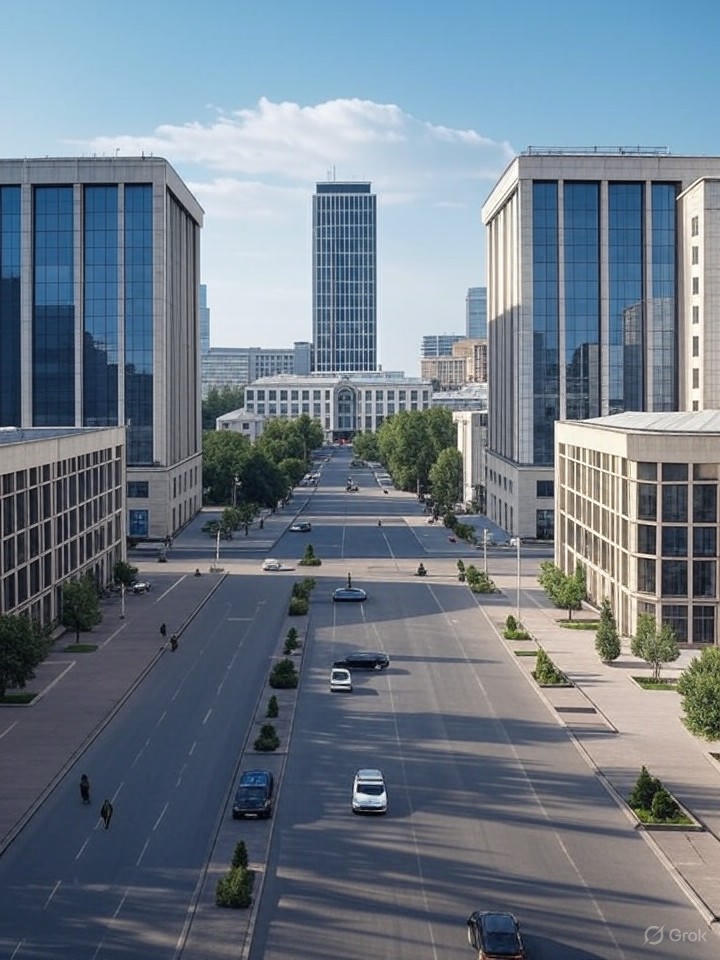
Start with the Central Business District (CBD) around Chuy Avenue. This is the epicenter for finance and professional services. Think gleaming office towers like the Asia Mall complex, where rents average $12-18 per square meter. I've seen startups thrive here because of proximity to banks like DemirBank and international firms. Networking? The American Chamber of Commerce hosts events at venues like the Hyatt Regency, where you can rub shoulders with expats and locals. For tech folks, the High Technology Park in Bishkek offers tax breaks – zero corporate tax for IT exports until 2025, extendable potentially. Setup costs: Around $5,000-10,000 including legal fees and initial office fit-out.
But don't overlook the Ala-Too Square area, which blends government proximity with cultural appeal. It's ideal for consultancies or NGOs, given the nearby ministries. Cultural note: Bishkek's Russian-speaking population (about 70%) eases communication for Eurasian investors, but learning basic Kyrgyz shows respect. Risks include traffic congestion, but the upcoming metro line by 2026 could alleviate that.
Venturing south, the Akhunbaev Street district is emerging for logistics and manufacturing. With access to the Bishkek Free Economic Zone, businesses get customs exemptions on imports for re-export. A client of mine set up a garment assembly line here, benefiting from low labor costs ($200-300 monthly wages) and proximity to Chinese borders. In 2025, expect growth in green tech, as Kyrgyzstan aims for carbon neutrality by 2050 – districts like this could host solar panel assembly with incentives from the Green Economy Fund.
Bishkek's appeal in 2025 lies in its balance: urban amenities without the chaos of larger capitals. Cafes like Sierra Coffee double as co-working spots, fostering innovation. If you're in fintech, the National Bank's digital payment push makes this district a hotspot. Overall, Bishkek districts offer a 7-8/10 for scalability, with room for improvement in digital infrastructure.
Osh: The Southern Powerhouse for Trade and Agriculture
Shift south to Osh, Kyrgyzstan's second-largest city with around 300,000 residents. Often called the "Southern Capital," it's a melting pot of Uzbek, Kyrgyz, and Tajik influences, making it perfect for cross-border trade. World Bank data shows Osh contributing significantly to agriculture and light industry, with GDP per capita rising 5% annually. In 2025, the completion of the China-Kyrgyzstan-Uzbekistan railway will supercharge this, linking it directly to global supply chains.
The core business district is around the Central Bazaar and Kurmanjan Datka Street. This is trade central – think wholesale markets for textiles, fruits, and electronics. Rents are cheaper than Bishkek, at $8-12 per square meter in modern complexes like the Osh Business Center. I've advised exporters here; one turned a small dried fruit operation into a regional player by leveraging the bazaar's networks. Cultural factor: Hospitality is key; business often starts with a pilaf meal at local chaikhanas.
For manufacturing, the Alay Valley industrial zone is underrated. Part of the Osh Free Economic Zone, it offers land leases at $1-2 per square meter annually, with tax holidays up to 10 years for priority sectors like food processing. 2025 trends? Agri-tech is booming, with IMF-backed irrigation projects boosting yields. Risks include seasonal flooding, but government subsidies for insurance mitigate that.
Osh's tech scene is nascent but growing, centered around the Osh State University hub. Co-working spaces like Impact Hub Osh attract young entrepreneurs, especially in e-commerce targeting Uzbekistan. Setup tip: Register via the local branch of the Investment Promotion Agency for streamlined visas. In practice, I've seen businesses save 20-30% on operational costs compared to Bishkek, thanks to lower living expenses.
What sets Osh apart is its cultural vibrancy – festivals like Nowruz draw tourists, opening doors for hospitality ventures. If your business involves regional trade, this district scores a solid 8/10, with potential to hit 9 as infrastructure improves.
Karakol: The Eastern Gem for Tourism and Eco-Business
Now, let's talk Karakol, on the eastern shore of Lake Issyk-Kul. With about 80,000 people, it's smaller but punches above its weight in tourism and eco-friendly industries. The region generates over 10% of Kyrgyzstan's tourism revenue, per government stats, and 2025's "Year of Tourism" initiative will amplify that with marketing campaigns and visa relaxations.
The main business district clusters around Toktogul Street and the lakefront. Ideal for hospitality and adventure tourism, with boutique hotels and tour operators thriving. Office spaces? Expect $6-10 per square meter in areas like the Karakol Business Incubator, supported by USAID programs. A entrepreneur I know launched an eco-tour company here, capitalizing on the pristine Tian Shan mountains – revenues doubled post-pandemic.
For sustainable business, the Issyk-Kul Free Economic Zone offers incentives like zero VAT on eco-projects. Think organic farming or renewable energy; Kyrgyzstan's hydropower capacity is 142 billion kWh annually, untapped mostly. In 2025, EU grants for green tech could fund solar farms here. Cultural insight: The Dungan and Russian communities add diversity, with bilingual services easing operations.
Risks? Winter isolation due to snow, but improved roads via Asian Development Bank funding help. Networking happens at events like the Issyk-Kul Forum, connecting you to investors. This district is perfect for niche players – say, wellness retreats or craft exports – rating 7/10 for growth potential.
Other Notable Districts: Balykchy, Jalal-Abad, and Beyond
Don't sleep on Balykchy, at Issyk-Kul's western end. It's a logistics hub with rail links to Kazakhstan, ideal for transport firms. Rents: $5-8 per square meter. Jalal-Abad in the southwest shines for agribusiness, with walnut exports booming – the region produces 80% of Kyrgyzstan's nuts. Free zones here offer similar perks, and 2025's crop insurance reforms reduce risks.
In Naryn, central Kyrgyzstan, focus on mining and energy. With gold reserves drawing FDI, districts around the town center provide opportunities in extraction services, though environmental regs are tightening.
Challenges and Strategies for Success in 2025
Across these districts, common challenges include power outages (hydropower-dependent) and skill gaps, but 2025's digital nomad visa could attract talent. Strategies? Partner locally – joint ventures qualify for extra incentives. Monitor currency; hedge with USD accounts. From my experience, success hinges on adaptability – embrace the nomadic spirit.
In conclusion, Kyrgyzstan's best business districts – from Bishkek's urban buzz to Osh's trade vitality and Karakol's eco-allure – offer diverse entry points for 2025. With low barriers and strategic positioning, they're ripe for savvy entrepreneurs. Choose based on your sector, and you'll find untapped potential.
If you're excited to turn one of these ideas into your next venture, B2B Hub can guide you through seamless company formation in Kyrgyzstan. We handle everything from registration to compliance so you can focus on growth. Reach out today: email [reg@b2bhub.ltd](mailto:reg@b2bhub.ltd), website [b2bhub.ltd](https://b2bhub.ltd), WhatsApp +44 7700183957, or Telegram @b2bhub_execution.
The Best Business Districts in Kyrgyzstan