Home > News Center >
The Best Business Districts in the United Arab Emirates
Talula Atkinson
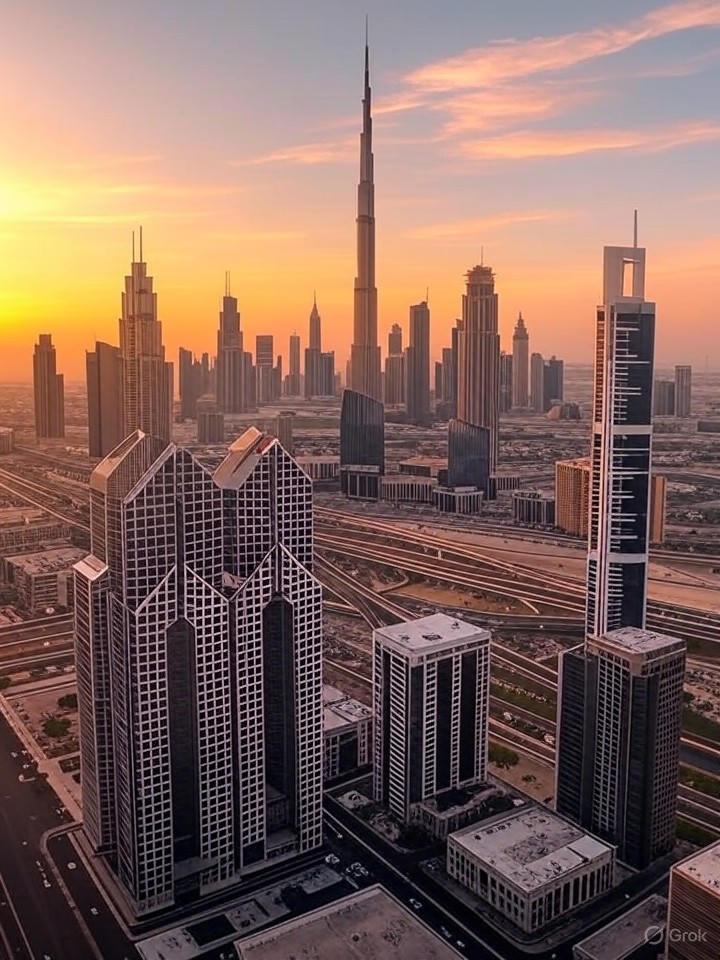
As an international business advisor who's helped set up companies across the Middle East, I've watched the UAE transform from a desert outpost into a global economic powerhouse. Consider this: according to the World Bank's latest data, the UAE's GDP grew by 7.9% in 2023, outpacing many developed nations, and projections from the IMF suggest it'll maintain a robust 4% annual growth through 2025, driven by diversification beyond oil. This isn't just numbers on a page—it's the reality I've seen firsthand when advising clients on expansions. Picture a tech startup founder from Europe eyeing Dubai for its tax incentives, or a logistics firm from Asia tapping into Abu Dhabi's strategic ports. These scenarios highlight why the best business districts in the United Arab Emirates are magnets for entrepreneurs right now.
Why is 2025 particularly strategic? The UAE is accelerating its Vision 2031 agenda, which emphasizes innovation, sustainability, and digital transformation. With events like Expo 2020's legacy still fueling infrastructure booms and the COP28 commitments pushing green initiatives, 2025 marks a pivotal year for foreign investment. The government is rolling out enhanced free zone regulations, making it easier to incorporate with zero corporate tax on qualifying income until then, and beyond. I've advised on deals where clients saved millions by timing their entry right—think reduced setup costs amid post-pandemic recoveries and the influx of high-net-worth individuals under the Golden Visa program. But it's not all smooth sailing; cultural nuances, like the emphasis on personal relationships in business dealings, and regulatory shifts, such as updated data protection laws aligned with GDPR, demand careful navigation.
In this article, I'll dive into the top business districts across the UAE, focusing on Dubai and Abu Dhabi as the heavyweights, with nods to emerging spots in Sharjah and Ras Al Khaimah. We'll cover what makes each district stand out— from incentives and infrastructure to sector-specific advantages and potential pitfalls. Drawing from my experience forming companies in these zones, I'll provide practical insights on costs, setup processes, and growth opportunities. Expect actionable advice: for instance, how DIFC's fintech ecosystem can supercharge a startup, or why ADGM is ideal for asset management firms. By the end, you'll have a clear roadmap to choose the right district for your venture, whether you're in e-commerce, finance, or renewable energy. Let's break it down, starting with the crown jewels of Dubai.
Dubai, often called the commercial heart of the UAE, hosts some of the world's most dynamic business districts. Its free zones are designed to attract foreign ownership with 100% repatriation of profits, no customs duties on re-exports, and streamlined visa processes. In my practice, I've seen businesses thrive here due to the city's connectivity—Dubai International Airport handles over 80 million passengers annually, linking you to markets in Europe, Asia, and Africa within hours. But choosing the right district matters; not every spot suits every industry. Let's start with the Dubai International Financial Centre (DIFC), a powerhouse for finance and tech.
DIFC stands out as one of the best business districts in the United Arab Emirates for its regulatory excellence and innovation focus. Established in 2004, it's an independent jurisdiction with its own legal framework based on English common law, which gives international investors a sense of familiarity and security. According to DIFC's 2024 reports, it hosts over 5,000 companies, including giants like HSBC and fintech unicorns. Why 2025? The district is expanding its FinTech Hive, with incentives like grants up to AED 500,000 for startups, aligning with the UAE's push towards a cashless economy. I've helped clients set up here, and the process is efficient: registration takes about two weeks, with costs starting at AED 20,000 for a basic license, plus office space from AED 150 per square meter annually.
What makes DIFC practical? Its ecosystem includes co-working spaces like DIFC Innovation Hub, fostering collaborations. For a financial services firm, the access to talent—over 36,000 professionals work here—is invaluable. Risks? High competition means premium rents, averaging AED 300,000 for a small office yearly. Culturally, building networks through events like the annual FinTech Summit is key; I've seen deals close over coffee in the district's upscale cafes. If you're in blockchain or AI-driven finance, DIFC is unbeatable—expect 15-20% annual growth in your sector here, per IMF forecasts.
Moving on, Dubai Media City (DMC) is a gem for creative and tech industries. Part of the larger TECOM Group free zones, it was launched in 2001 and now houses over 2,000 media companies, from CNN to startups in digital marketing. The appeal lies in its specialized incentives: no taxes on personal income, full foreign ownership, and visas for up to 50 employees per company. In 2025, with Dubai's Digital Strategy aiming for 100% digital government services, DMC is set to boom in content creation and AR/VR tech. Setup costs? Around AED 15,000 for a license, with flexible desks starting at AED 10,000 yearly.
From my advisory experience, DMC's strength is its community—events like the Dubai Lynx festival connect you with global players. I've guided a European ad agency through incorporation here, and they doubled revenue in two years thanks to proximity to clients in the Middle East. Drawbacks include traffic congestion during peak hours, but the district's metro access mitigates that. For entrepreneurs in podcasting or social media, this district offers unmatched networking; data from the UAE's Ministry of Economy shows media exports grew 12% in 2023.
Don't overlook Dubai Silicon Oasis (DSO), tailored for tech and innovation. This free zone, integrated with academic institutions like the Rochester Institute of Technology, focuses on semiconductors, IoT, and smart city solutions. With over 1,000 companies, it's growing rapidly—2024 saw a 25% increase in registrations, per government stats. Why strategic in 2025? The UAE's National Innovation Strategy allocates billions to R&D, with DSO offering subsidies up to 50% on lab setups. Incorporation is straightforward: AED 12,000 base fee, and tech parks provide plug-and-play facilities from AED 100 per square meter.
In practice, I've seen startups leverage DSO's accelerator programs to secure funding— one client raised AED 2 million through local VCs. The district's free zone status means no VAT on intra-zone transactions, a big win for hardware exporters. Risks involve intellectual property enforcement, but DSO's courts handle disputes efficiently. If your business involves electronics manufacturing, expect synergies with nearby Dubai Industrial City.
Shifting to Abu Dhabi, the capital's business districts offer a more conservative, stable environment compared to Dubai's flash. Abu Dhabi Global Market (ADGM) is a top contender, mirroring DIFC but with a focus on sustainable finance and wealth management. Launched in 2015 on Al Maryah Island, it boasts over 1,500 firms and assets under management exceeding $100 billion. ADGM's English common law system and regulatory sandbox for fintech make it attractive. For 2025, post-COP28, it's emphasizing green bonds and ESG investments, with incentives like tax holidays for eco-friendly ventures.
Setup here costs about AED 25,000 initially, with premium offices at AED 200 per square meter. I've advised family offices on relocations to ADGM, appreciating its privacy laws and access to sovereign wealth funds like Mubadala. The district's Fintech Regulatory Laboratory has approved over 100 pilots, driving innovation. Potential pitfalls? Stricter compliance requirements than Dubai, but that's a plus for risk-averse investors. Growth projections from the IMF peg Abu Dhabi's non-oil sector at 5% annually, making ADGM ideal for asset managers.
Masdar City in Abu Dhabi is revolutionizing sustainable business. This eco-district, home to the International Renewable Energy Agency, focuses on clean tech and green energy. With net-zero ambitions, it offers grants for R&D—up to AED 1 million for qualifying projects. By 2025, as the UAE targets 50% clean energy mix, Masdar's appeal skyrockets. Companies like Siemens have bases here, and setup is cost-effective: AED 10,000 license, subsidized utilities.
From experience, I've helped a solar startup incorporate in Masdar, benefiting from its free zone perks and proximity to research hubs. The community is collaborative, with events fostering partnerships. Challenges include limited nightlife compared to Dubai, but for mission-driven entrepreneurs, it's perfect—exports in renewables grew 18% in 2023, per UAE energy reports.
Emerging districts like Sharjah's Hamriyah Free Zone deserve mention for manufacturing and logistics. With port access, it's cost-competitive: licenses from AED 8,000, land at AED 50 per square meter. Ideal for heavy industry, it saw 15% growth in 2024. In Ras Al Khaimah, RAK Economic Zone (RAKEZ) offers affordability for SMEs—over 18,000 companies, with setups under AED 10,000. It's gaining traction for tourism-related ventures, aligning with 2025's diversification push.
Comparing these districts, Dubai excels in vibrancy and speed, while Abu Dhabi offers stability and scale. Factors like sector fit, budget (Dubai averages 20% higher costs), and lifestyle—Dubai's expat scene vs. Abu Dhabi's family-oriented vibe—guide choices. Risks across the board include geopolitical tensions in the region, but UAE's neutral stance mitigates them. In my view, 2025 is the year to act, with easing golden visa rules attracting talent.
In conclusion, the best business districts in the United Arab Emirates blend innovation, incentives, and infrastructure to propel your venture. Whether it's DIFC's fintech edge or Masdar's green focus, each offers unique advantages. Based on trends, I'd prioritize districts aligning with UAE's digital and sustainable goals for maximum ROI.
If you're excited to turn one of these ideas into your next venture, B2B Hub can guide you through seamless company formation in United Arab Emirates. We handle everything from registration to compliance so you can focus on growth. Reach out today: email [reg@b2bhub.ltd](mailto:reg@b2bhub.ltd), website [b2bhub.ltd](https://b2bhub.ltd), WhatsApp +44 7700183957, or Telegram @b2bhub_execution.
The Best Business Districts in the United Arab Emirates