Home > News Center >
The Best Cities in Fiji for Entrepreneurs
Talula Atkinson
Imagine launching a boutique eco-tourism venture right as Fiji's visitor numbers surge past pre-pandemic levels, with international arrivals hitting over 900,000 in 2023 and projections for even stronger growth by 2025. That's the kind of opportunity I've seen entrepreneurs seize in this Pacific paradise, where the blend of stunning natural beauty and emerging economic policies creates fertile ground for business innovation. As an international business advisor who's helped form companies across the Asia-Pacific region, including several in Fiji, I've witnessed firsthand how the right location can make or break a startup. Fiji's economy is rebounding robustly, with GDP growth forecasted at around 3.5% for 2025 by the Asian Development Bank, driven by tourism, agriculture, and increasing foreign investment. This isn't just numbers on a page—it's a strategic window for entrepreneurs eyeing sustainable ventures, tech-enabled services, or export-oriented manufacturing.
Why 2025 specifically? The Fijian government is rolling out enhanced incentives under its National Development Plan, including tax holidays for new businesses in priority sectors like renewable energy and digital services. With global supply chains shifting and remote work normalizing, Fiji positions itself as a hub for digital nomads and eco-conscious enterprises. Add in the country's commitment to climate resilience—think initiatives like the Blue Economy strategy—and you've got a landscape ripe for innovation. But success hinges on choosing the right city. Not every spot offers the same access to talent, infrastructure, or networks. In this article, we'll dive into the best cities in Fiji for entrepreneurs, analyzing factors like cost of living, regulatory ease, market opportunities, and real-world challenges. I'll draw from my experiences advising clients on setups in places like Suva and Nadi, providing practical insights to help you decide where to plant your flag. Expect a breakdown of top picks, complete with pros, cons, and actionable steps for getting started. Whether you're a solo founder or scaling a team, these cities could be your launchpad in 2025.
Fiji's entrepreneurial ecosystem is evolving rapidly. The World Bank's Ease of Doing Business index, while not ranking Fiji in the top tiers globally, shows improvements in areas like starting a business, where it takes about 11 days to register a company—faster than many regional peers. Cultural factors play a big role too; Fijians value community and sustainability, so businesses that align with these principles thrive. I've advised on ventures that tapped into local iTaukei customs for authentic tourism experiences, turning cultural heritage into profitable models. Yet, challenges like limited access to venture capital and occasional bureaucratic hurdles mean you need a smart entry strategy. By focusing on cities with strong connectivity and supportive policies, you can mitigate risks. Let's explore the standouts, starting with the capital and moving to emerging hotspots. This isn't theoretical advice—it's based on boots-on-the-ground experience from forming entities that now employ dozens in Fiji's dynamic market.
Suva: The Capital Hub for Ambitious Startups
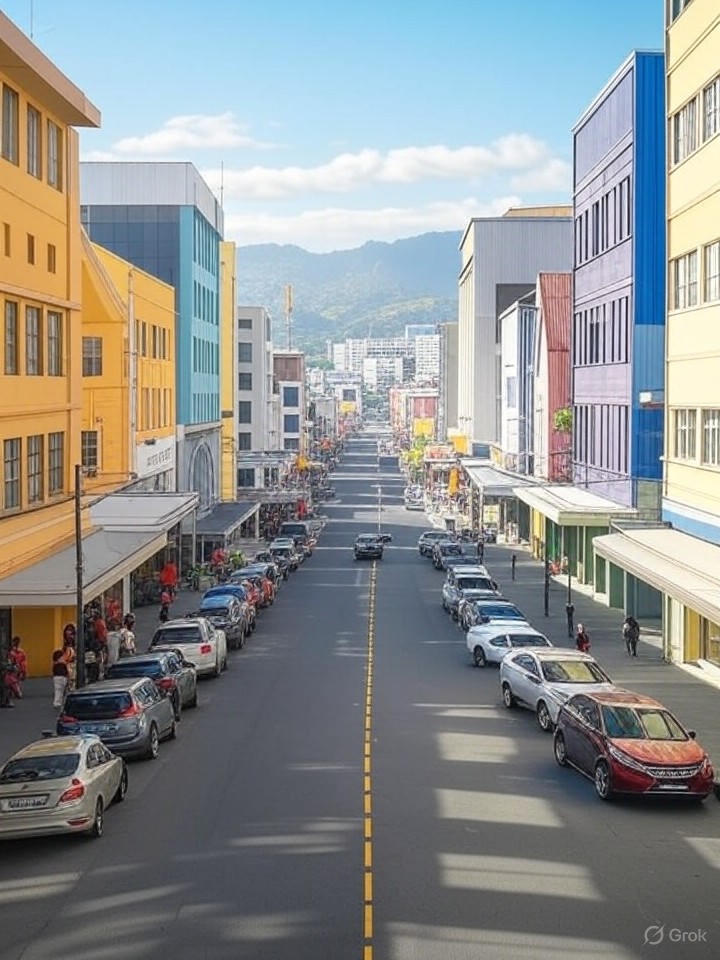
Suva, Fiji's bustling capital on the island of Viti Levu, stands out as a prime spot for entrepreneurs seeking a blend of urban energy and institutional support. Home to over 85,000 residents, it's the political and economic heart of the nation, hosting government offices, international embassies, and major banks like ANZ and Westpac. In my work setting up companies here, I've seen how proximity to decision-makers accelerates everything from permit approvals to partnership deals. For instance, one client launched a fintech app targeting remittances—Fiji receives about $500 million annually from overseas workers—and Suva's access to the Reserve Bank of Fiji made regulatory navigation smoother.
What makes Suva exceptional in 2025? The city's push towards digital transformation aligns with global trends. The government’s Digital Fiji initiative aims to boost ICT infrastructure, with investments in high-speed internet and data centers. Entrepreneurs in software development or e-commerce will find talent pools from the University of the South Pacific, which graduates hundreds in tech-related fields yearly. Costs are reasonable too: office space rents average FJD 20-30 per square meter monthly, and living expenses for an expat entrepreneur hover around FJD 3,000-5,000 per month, including housing and utilities. Compare that to Sydney or Auckland, and it's a steal.
But let's talk practicalities. Registering a business in Suva involves the Fiji Revenue and Customs Service for tax IDs and the Investment Fiji agency for foreign investment approvals. I've guided clients through this, often completing the process in under two weeks by preparing documents like business plans and proof of capital upfront. Networking is key—join the Fiji Commerce and Employers Federation for events that connect you with local suppliers and investors. Risks? Traffic congestion and occasional power outages can disrupt operations, so factor in backup generators. Culturally, building relationships through "talanoa" sessions—informal chats—helps integrate into the community. One entrepreneur I advised started a sustainable fashion brand here, sourcing from local artisans and exporting to Australia, turning a modest FJD 50,000 investment into a thriving export business within 18 months.
Suva shines for sectors like professional services, education tech, and logistics. With the port handling 80% of Fiji's imports, supply chain startups have a natural edge. If you're eyeing expansion, the city's international airport connects to major hubs, facilitating travel for client meetings. In practice, I've seen ventures fail when they ignored local hiring mandates—aim for at least 50% Fijian staff to comply and build goodwill. Overall, Suva offers a solid foundation for entrepreneurs ready to scale in a supportive urban environment.
Nadi: Gateway for Tourism and Hospitality Innovators
Shift west to Nadi, Fiji's tourism epicenter on Viti Levu, where the international airport welcomes the bulk of the country's 900,000+ annual visitors. This city of about 50,000 is a magnet for entrepreneurs in hospitality, adventure tourism, and related services. From my experience forming tourism-related companies here, Nadi's vibe is all about accessibility—direct flights from Los Angeles, Sydney, and Hong Kong mean your market literally lands at your doorstep. Economic data from the Fiji Bureau of Statistics shows tourism contributing over 40% to GDP, with 2025 projections eyeing a rebound to $2.5 billion in revenue.
Why choose Nadi for your venture? It's a hotspot for innovative models like eco-resorts or app-based tour booking platforms. I've helped set up a dive tour operator that integrated VR experiences, capitalizing on Nadi's proximity to world-class reefs. Startup costs are lower than in Suva: commercial leases start at FJD 15-25 per square meter, and the cost of living is around FJD 2,500-4,000 monthly for entrepreneurs. Government incentives, such as the Tourism Investment Certificate offering tax exemptions, sweeten the deal for new entrants.
Getting started involves similar steps: register with the Registrar of Companies, then apply for work permits if you're foreign. In my advisory role, I recommend partnering with local tour operators early—networks like the Fiji Hotel and Tourism Association provide invaluable introductions. Challenges include seasonal fluctuations; tourism dips in the wet season (November to April), so diversify with off-peak offerings like wellness retreats. Culturally, respect for land ownership is crucial—many sites are on native land, requiring leases from the iTaukei Land Trust Board.
One success story I recall is a client who launched a sustainable farm-to-table restaurant chain in Nadi, sourcing from local farmers and attracting health-conscious tourists. Starting with FJD 100,000, they expanded to three locations by leveraging social media marketing. For tech entrepreneurs, Nadi's growing co-working spaces, like those in Denarau, offer affordable hubs. Risks like natural disasters—cyclones are a reality—mean insurance is non-negotiable. If your idea revolves around visitor experiences, Nadi's infrastructure and market density make it unbeatable.
Lautoka: Emerging for Manufacturing and Agri-Business
Known as the "Sugar City," Lautoka on Viti Levu's western coast is transforming from a sugar-dependent economy into a diversified hub for manufacturing and agriculture. With a population of around 70,000, it's Fiji's second-largest city and home to the country's main sugar mill, but entrepreneurs are tapping into broader opportunities. IMF data highlights Fiji's agricultural exports growing by 5% annually, and Lautoka's port facilitates shipments to Asia and the Pacific. I've assisted in establishing export-focused firms here, where lower operational costs allow for competitive pricing.
In 2025, Lautoka benefits from the government's focus on value-added agriculture, with incentives for processing facilities. Think organic Fiji water bottling or kava export ventures—kava alone generates millions in revenue. Land for factories is affordable, at FJD 10-20 per square meter, and utilities are reliable thanks to proximity to the Monasavu hydroelectric scheme. Living costs? Expect FJD 2,000-3,500 monthly, making it ideal for bootstrapped startups.
Practical steps: After company registration, secure export licenses via the Ministry of Agriculture. I've seen clients navigate this by hiring local agronomists for compliance. Networking through the Lautoka Chamber of Commerce opens doors to suppliers. Risks include labor shortages during harvest seasons, so plan for training programs. Culturally, engaging with Indo-Fijian communities, who dominate business here, builds trust—many ventures succeed through joint ventures.
A standout example is a client who started a natural skincare line using local ingredients, exporting to New Zealand. With initial capital of FJD 80,000, they hit profitability in year two. For green entrepreneurs, Lautoka's biofuels potential is exciting, aligned with Fiji's COP23 presidency legacy. If manufacturing or agribusiness calls, this city's logistics and cost advantages position it strongly.
Labasa: Northern Frontier for Eco-Entrepreneurs
On Vanua Levu, Labasa offers a quieter, nature-rich alternative with untapped potential for eco-tourism and renewable energy startups. This town of 30,000 is surrounded by rainforests and farms, with Savusavu nearby boosting its appeal. World Bank reports note northern Fiji's underdevelopment, but 2025 infrastructure projects, like road upgrades, are changing that. I've advised on remote setups here, where low competition allows niche ideas to flourish.
Costs are the lowest: office space at FJD 8-15 per square meter, living at FJD 1,500-2,500 monthly. Government grants for rural development, via the Northern Development Program, support ventures in solar energy or organic farming. Registration mirrors the mainland, but factor in ferry logistics for supplies.
In practice, building community ties is essential—partner with local cooperatives for authenticity. Risks like limited flights mean remote work tools are key. One client I worked with launched a honey export business, leveraging Labasa's bee-friendly environment to scale exports regionally.
Emerging Spots: Savusavu and Beyond
Savusavu, the "Hidden Paradise," is gaining traction for wellness tourism, with geothermal hot springs attracting investors. Costs align with Labasa, and its yacht marina draws high-net-worth visitors. Other mentions include Levuka for heritage tourism, though its isolation suits niche plays.
Weighing Risks and Opportunities Across Fiji
Across these cities, common risks include climate vulnerability—invest in resilient designs—and forex fluctuations, with the FJD tied to major currencies. Opportunities abound in sustainability, with Fiji's Paris Agreement commitments driving green incentives. Diversify revenue streams and comply with labor laws for long-term success.
In conclusion, Fiji's best cities for entrepreneurs in 2025 offer diverse entry points, from Suva's urban pulse to Labasa's frontier appeal. Choose based on your sector, budget, and growth vision—I've seen the right pick turn ideas into empires.
If you're excited to turn one of these ideas into your next venture, B2B Hub can guide you through seamless company formation in Fiji. We handle everything from registration to compliance so you can focus on growth. Reach out today: email [reg@b2bhub.ltd](mailto:reg@b2bhub.ltd), website [b2bhub.ltd](https://b2bhub.ltd), WhatsApp +44 7700183957, or Telegram @b2bhub_execution.
The Best Cities in Fiji for Entrepreneurs