Home > News Center >
The Best Cities in Turkey for Entrepreneurs
Talula Atkinson
Turkey's economy is buzzing with potential as we head into 2025, and if you're an entrepreneur eyeing international expansion, this could be your moment. Consider this: according to the World Bank's latest Doing Business report, Turkey ranks among the top improvers in ease of doing business, jumping several spots thanks to streamlined regulations and digital reforms. I've advised dozens of startups and mid-sized firms on setting up here, and I've seen firsthand how the country's strategic location—bridging Europe, Asia, and the Middle East—creates unique opportunities. In 2024 alone, foreign direct investment surged by over 20%, per IMF data, driven by tech hubs, manufacturing incentives, and a young, skilled workforce. But why 2025 specifically? With global supply chains shifting away from traditional powerhouses and Turkey's EU customs union evolving, entrepreneurs can capitalize on lower costs, tax breaks, and emerging sectors like renewables and e-commerce. The government's Vision 2023 follow-up plans, extended into the new year, emphasize innovation with billions in grants for tech and green initiatives.
As someone who's helped form companies in Istanbul and beyond, I know that choosing the right city is crucial. Turkey isn't a monolith—each urban center has its vibe, infrastructure, and business ecosystem. Istanbul might dazzle with its global connectivity, but places like Ankara offer political stability and R&D incentives that could suit a B2B software venture. In this article, we'll dive into the best cities in Turkey for entrepreneurs, focusing on practical factors like startup costs, talent pools, regulatory ease, and sector-specific opportunities. I'll break it down by city, drawing from real-world trends and data, to help you decide where to plant your flag. Expect actionable insights: average office rents, key incentives, cultural nuances, and even risks like currency fluctuations. By the end, you'll have a clear roadmap for 2025 launches, whether you're in fintech, logistics, or sustainable manufacturing. Let's get into it—starting with the heavyweights and moving to hidden gems.
First off, understanding Turkey's entrepreneurial landscape sets the stage. The country boasts a GDP growth projection of 3-4% for 2025, per the IMF, fueled by tourism recovery and export booms in automotive and textiles. Entrepreneurs benefit from the "Turquality" program, which subsidizes branding for exporters, and free trade zones that slash duties. However, challenges like inflation—hovering around 50% in mid-2024 but expected to cool—and geopolitical tensions with neighbors require smart navigation. In my experience, successful ventures here blend local partnerships with international savvy. For instance, I've seen a U.S.-based e-commerce firm thrive by tapping Istanbul's digital talent while using Ankara's government ties for grants. The primary keyword here is spotting the best cities in Turkey for entrepreneurs, and we'll evaluate them on metrics like innovation index (from Global Innovation Index), cost of living (Numbeo data), and business formation timelines—typically 7-10 days via the online Mersis system.
As we approach 2025, timing is key. Post-election stability under President Erdoğan's administration has led to policy continuity, with new incentives for AI and biotech. The Central Bank's efforts to stabilize the lira, combined with EU green deal alignments, make Turkey a hotspot for sustainable tech. Entrepreneurs should note the youthful demographic—over 60% under 35, per Turkish Statistical Institute—providing a vibrant labor market. Yet, cultural factors matter: building "güven" (trust) through face-to-face meetings is essential, and navigating bureaucracy often requires a local advisor. In the sections ahead, I'll analyze top cities, highlighting why they're primed for your venture. From Istanbul's startup incubators to Izmir's coastal lifestyle perks, each offers distinct advantages. If you're pondering a move, factor in visa options like the Turquoise Card for skilled professionals, which fast-tracks residency.
Istanbul: The Unrivaled Hub for Global Ambitions
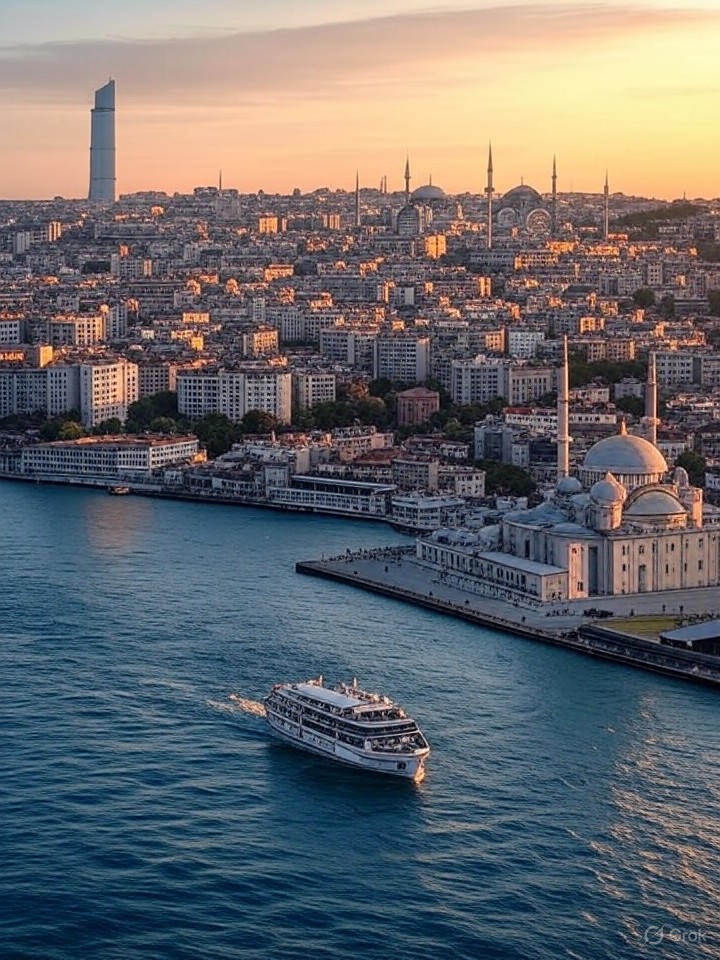
No discussion of the best cities in Turkey for entrepreneurs skips Istanbul. Straddling two continents, it's home to over 15 million people and generates about 40% of Turkey's GDP, according to TurkStat. In my advisory work, I've set up more entities here than anywhere else—it's where East meets West in business terms. For 2025, Istanbul's allure lies in its tech ecosystem, bolstered by initiatives like the Istanbul Financial Center, set to fully operationalize next year, attracting fintech startups with tax exemptions up to 10 years.
Let's talk practicalities. Startup costs are reasonable: registering a limited liability company (LLC) via the Trade Registry Office costs around 5,000-10,000 TRY (about $150-300 USD at current rates), with digital processes cutting time to under a week. Office space in business districts like Levent or Maslak averages 200-400 TRY per square meter monthly, per Colliers International reports. Talent is abundant—universities like Boğaziçi and Koç produce top engineers, and the city's 50+ co-working spaces (think WeWork equivalents) foster networking. I've seen entrepreneurs in e-commerce leverage Istanbul's logistics prowess; it's a gateway to 1.5 billion consumers within a four-hour flight.
Sector-wise, fintech and digital services shine. With banking giants like Garanti and fintech unicorns like Trendyol (valued at $16.5 billion), opportunities abound. Government incentives include R&D tax credits up to 100% for qualifying projects, per the Ministry of Industry and Technology. Cultural factors? Istanbul's fast-paced, cosmopolitan vibe suits international teams, but traffic and high living costs (Numbeo index: 45/100) demand efficient planning. Risks include earthquake vulnerability—ensure insurance—and economic volatility, but hedging via dollar-denominated contracts mitigates this.
In practice, I've advised a SaaS company that scaled from a Maslak incubator to exporting software across Europe, thanks to EU trade agreements. For entrepreneurs eyeing 2025, Istanbul's innovation score of 38 on the Global Innovation Index positions it as Turkey's leader. If your venture needs global exposure, this is it—pair it with events like Istanbul Tech Week for instant connections.
Ankara: The Political Powerhouse for Regulated Industries
Shift gears to Ankara, Turkey's capital and a underrated gem among the best cities in Turkey for entrepreneurs. With a population of 5.7 million, it contributes 9% to national GDP, focused on defense, aerospace, and public sector ties. The IMF projects steady growth here through 2025, driven by government spending on infrastructure—think high-speed rail expansions linking to Europe.
From experience, Ankara excels for B2B ventures needing regulatory access. Company formation is swift: similar to Istanbul, but with fewer queues, costing 4,000-8,000 TRY. Office rents in Çankaya district hover at 150-300 TRY per sqm, cheaper than Istanbul, per Knight Frank data. The talent pool leans technical—Middle East Technical University (METU) churns out STEM grads, and technoparks offer subsidized spaces with up to 75% rent reductions.
Key sectors? Defense tech and renewables. Ankara hosts ASELSAN and TAI, making it ideal for supply chain integrations. Incentives include the Scientific and Technological Research Council of Turkey (TÜBİTAK) grants, up to 1 million TRY for R&D. I've helped a cleantech firm secure these, turning prototypes into exports. Culturally, it's more conservative and bureaucratic—relationships with officials are gold, so attend ministry events.
Risks? Less international flair means harder talent attraction, and winters are harsh. But for 2025, with Turkey's NATO role amplifying defense spending, Ankara's stability (low crime rates per OSAC) makes it a safe bet. Entrepreneurs in regulated fields, like health tech, will find the proximity to policymakers invaluable.
Izmir: Coastal Innovation and Lifestyle Balance
Izmir, on the Aegean coast, rounds out the top tier of best cities in Turkey for entrepreneurs with its blend of lifestyle and business. Home to 4.4 million, it drives 6% of GDP through ports, tourism, and agrotech. World Bank data highlights its export growth, projected at 5% for 2025, amid global food supply shifts.
Practically, setup is entrepreneur-friendly: LLC registration via local chambers costs 4,500-9,000 TRY, with online options. Rents in Alsancak average 180-350 TRY per sqm, affordable with sea views. Talent from Ege University supports biotech and software; the Izmir Technology Park incubates startups with EU-funded programs.
Sectors like renewables and tourism tech thrive here. Wind farms dot the region, and incentives offer 50% tax rebates for green projects. I've seen a tourism app developer explode by tapping Izmir's 10 million annual visitors. Culturally, it's laid-back—network over rakı dinners—but earthquakes are a risk, so build resilient ops.
For 2025, Izmir's quality of life (Numbeo: 60/100) attracts remote teams, making it perfect for hybrid models. If work-life balance matters, this city's Mediterranean charm delivers without sacrificing opportunity.
Antalya: Tourism and Agri-Business Hotspot
Antalya, with 2.6 million residents, is a rising star in the best cities in Turkey for entrepreneurs, especially in tourism and agriculture. Contributing 4% to GDP, its economy is set for 6% growth in 2025, per IMF, fueled by post-pandemic travel booms.
Formation costs: 3,500-7,000 TRY, with beachside offices at 120-250 TRY per sqm. Universities like Akdeniz provide agri-tech talent. Incentives include subsidies for organic farming exports.
I've advised hotel tech startups here, leveraging 15 million tourists yearly. Culturally vibrant, but seasonal tourism means diversified strategies. For 2025, it's ideal for sustainable tourism ventures.
Bursa: Manufacturing and Automotive Epicenter
Bursa, population 3.1 million, excels in industry among best cities in Turkey for entrepreneurs. GDP share: 4%, with 4-5% growth forecast. Setup: 4,000-8,000 TRY; rents 100-200 TRY per sqm in organized zones.
Talent from Uludağ University; incentives for auto parts via OSD. I've seen suppliers integrate with Renault and Toyota plants. Culturally industrial, risks include labor unions.
Emerging Picks: Gaziantep and Kayseri
Gaziantep shines in food processing; 1.8 million people, incentives for exports. Kayseri for furniture and SMEs. Both offer low costs, strong family-business cultures.
Challenges and Strategies for 2025
Across these cities, inflation and forex risks persist, but hedging and local sourcing help. Cultural adaptation is key—build networks via chambers.
Conclusion
In summing up the best cities in Turkey for entrepreneurs, Istanbul leads for scale, Ankara for stability, Izmir for balance, and others for niches. 2025's economic tailwinds make now the time to act—choose based on your sector and style.
If you're excited to turn one of these ideas into your next venture, B2B Hub can guide you through seamless company formation in Turkey. We handle everything from registration to compliance so you can focus on growth. Reach out today: email [reg@b2bhub.ltd](mailto:reg@b2bhub.ltd), website [b2bhub.ltd](https://b2bhub.ltd), WhatsApp +44 7700183957, or Telegram @b2bhub_execution.
The Best Cities in Turkey for Entrepreneurs